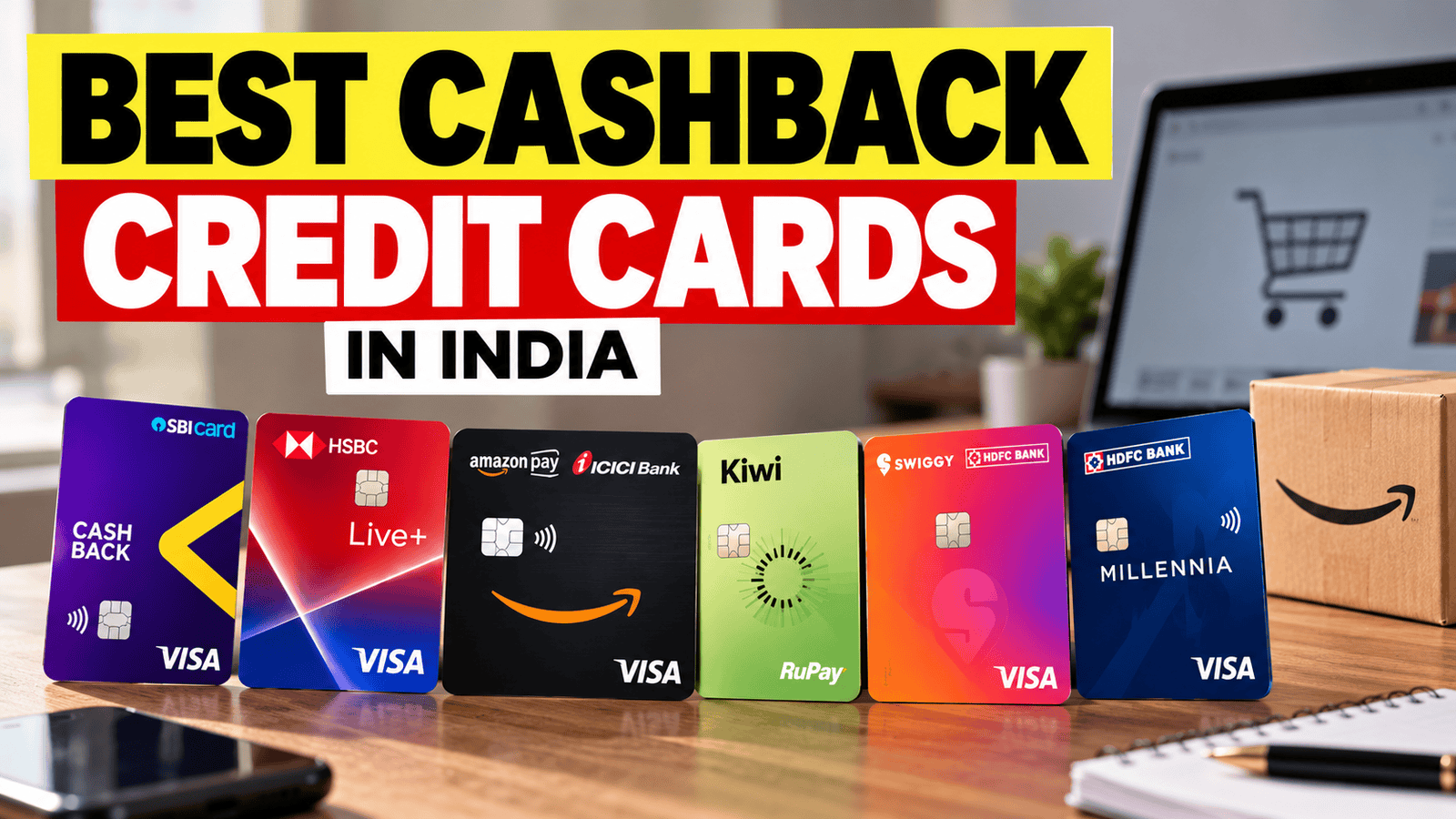
Best Cashback Credit Cards in India 2026 Overall
Quick Comparison
| Credit Card | Best For | Cashback | Annual Fee |
| SBI Cashback Credit Card | Online spending | 5% online | ₹999 + taxes |
| HSBC Live+ | Grocery, dining & food delivery | 10% | ₹999 + taxes |
| Amazon Pay ICICI Credit Card | Amazon spending | Up to 5% | ₹0 |
| Kiwi RuPay Credit Card | UPI merchant payments | 1.5% | ₹0 |
| Swiggy HDFC Bank Credit Card | Swiggy + selected merchants | Up to 10% | ₹500 + taxes |
| HDFC Millennia Credit Card | Major online merchants | Up to 5% | ₹1,000 + taxes |
Quick Summary for Hurry Readers
SBI Cashback – Best for broad online spending with 5% cashback.
HSBC Live+ – Best for grocery, dining and food delivery with 10% cashback.
Amazon Pay ICICI – Best for Amazon shoppers, especially Prime members. Zero annual fee.
Kiwi RuPay – Best for frequent UPI merchant payments.
Swiggy HDFC – Best for Swiggy users who also spend at Amazon, Flipkart, Myntra and other eligible merchants.
HDFC Millennia – Best for spending across major online merchants such as Amazon, Flipkart, Myntra and Swiggy.
Best Cashback Credit Cards in India 2026 Overall
If you use a credit card regularly, earning cashback on your everyday spending can make a meaningful difference over the year. But choosing a cashback credit card is not as simple as picking the card with the highest cashback percentage.
A card offering 10% cashback may have a relatively low cashback cap, while another card offering 5% may work across a much wider range of spending. Annual fees, cashback exclusions, spending categories and monthly or billing-cycle limits can also change the actual value you get from a card.
In this guide, we compare six popular cashback credit cards in India: SBI Cashback, HSBC Live+, Amazon Pay ICICI, Kiwi RuPay, Swiggy HDFC and HDFC Millennia.
1. SBI Cashback Credit Card
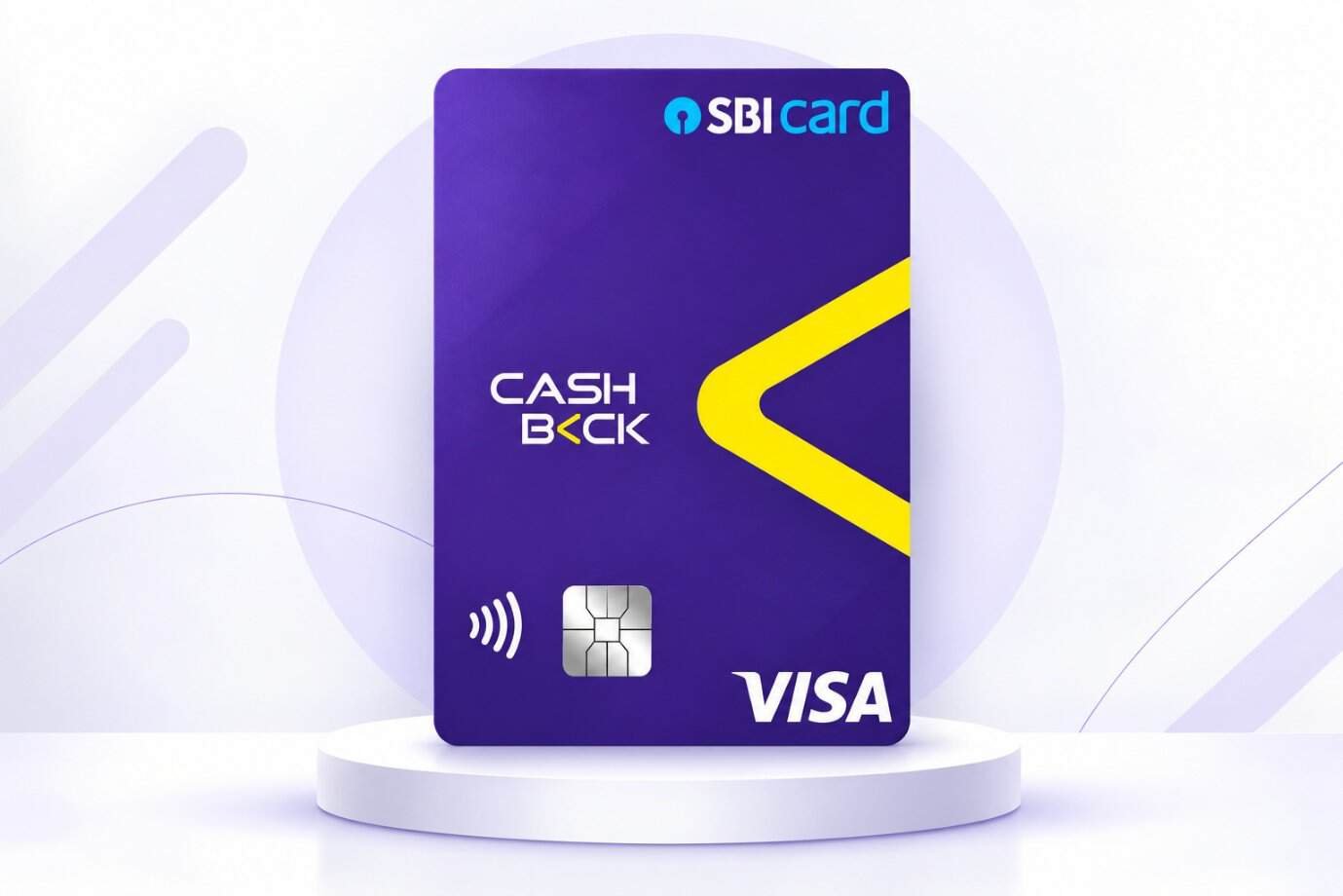
The SBI Cashback Credit Card is primarily focused on online spending.
It offers 5% cashback on online spends and 1% cashback on offline spends. The online cashback is not restricted to a particular shopping platform, which makes the card useful for people who make purchases across different websites and online services.
From April 1, 2026, the maximum cashback is 2,000 per statement cycle on online spending and another 2,000 on offline spending, giving a combined cashback limit of 4,000 per statement cycle.
There are also several cashback exclusions, including fuel, rent, insurance, education, wallet loading, jewellery and certain government, toll and digital gaming transactions.
The annual fee is 999 plus taxes. The renewal fee is waived if you spend 2 lakh in the previous year.
The biggest advantage of SBI Cashback is its broad online cashback structure. You do not need to restrict yourself to one shopping platform to earn 5% cashback.
2. HSBC Live+
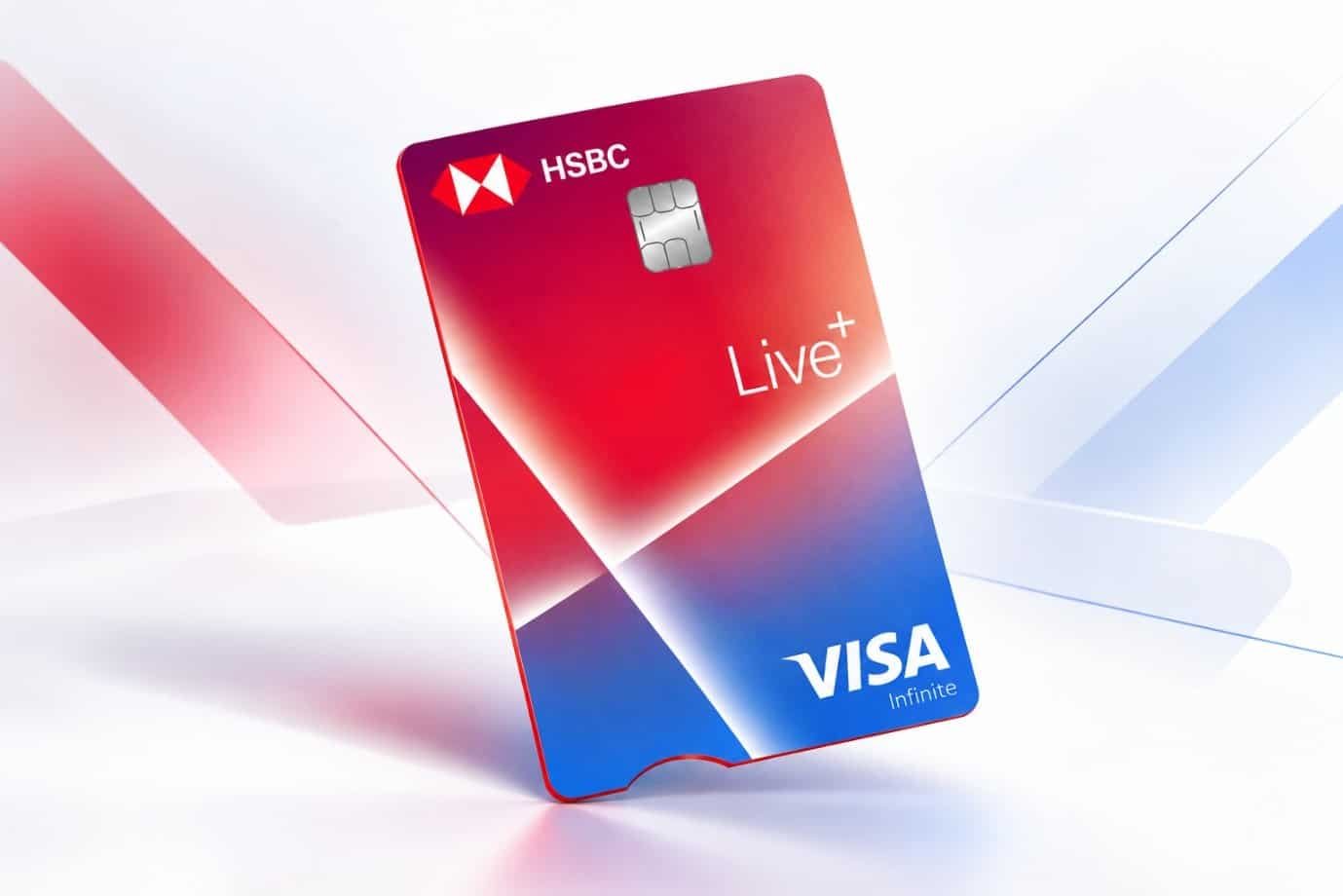
HSBC Live+ takes a different approach by focusing heavily on everyday spending categories.
The card offers 10% cashback on grocery, dining and food delivery, with a maximum cashback of 1,000 per statement cycle from these categories.
For other spending, the card offers 1.5% cashback, with no monthly cashback cap on this portion.
The 10% cashback applies to purchases at grocery stores and supermarkets, restaurant payments and food delivery transactions. Cashback is not available on categories such as fuel, rent, insurance, education, government payments and wallet loading, along with certain financial transactions.
The joining fee and annual fee are both 999 plus taxes. The renewal fee is waived if you spend 2 lakh during the previous year.
The interesting part of HSBC Live+ is that the card does not stop being useful once you reach the 10% cashback category limit. The 1.5% cashback on other spending continues separately.
3. Amazon Pay ICICI Credit Card
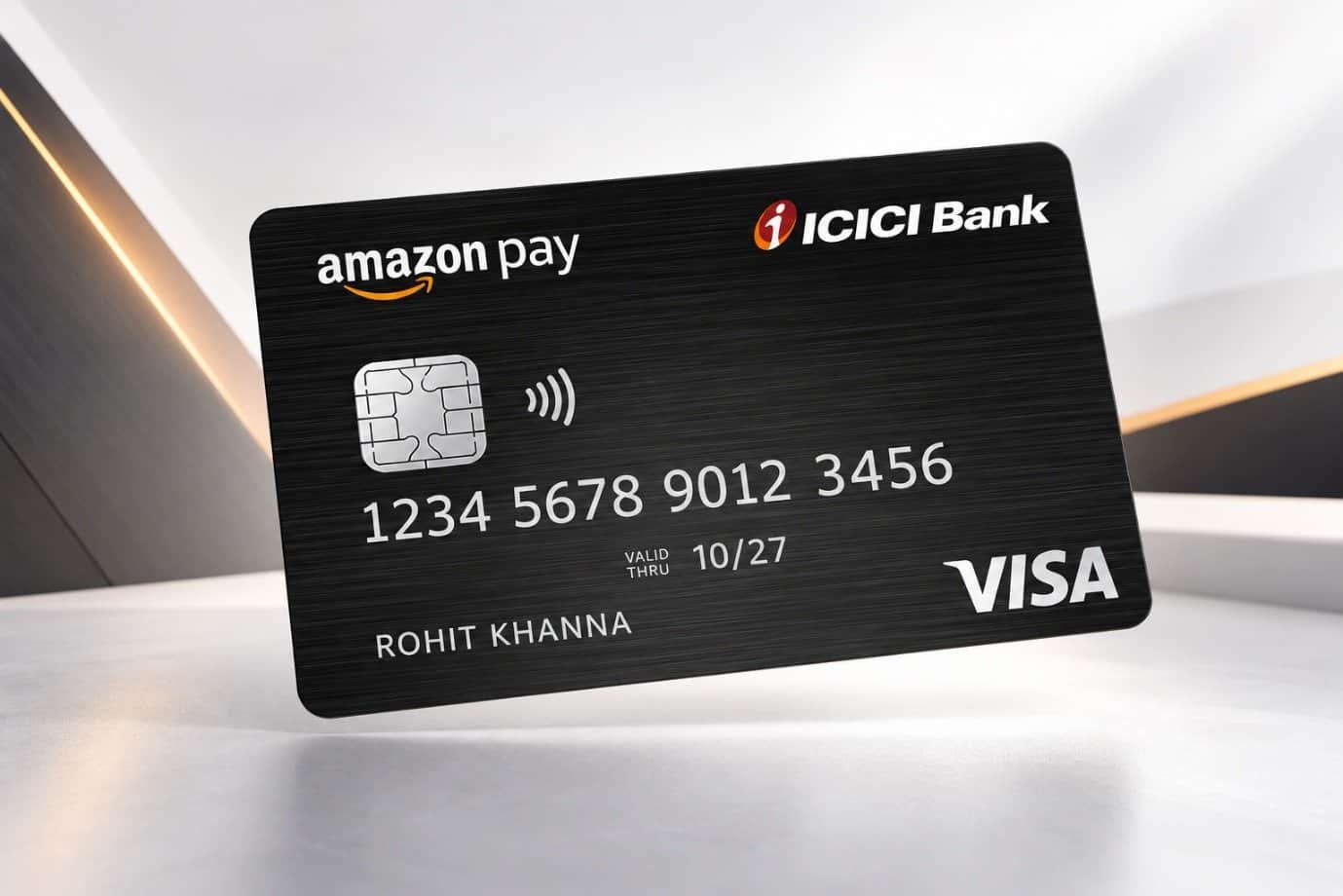
The Amazon Pay ICICI Credit Card is particularly useful for people who regularly shop on Amazon.
Amazon Prime members get 5% cashback on Amazon.in, while non-Prime members get 3% cashback.
The card also offers 2% cashback on payments made through Amazon Pay at 100-plus partner websites when using the “Login and Pay with Amazon” option. Other payments generally earn 1% cashback.
One of the biggest advantages of this card is its fee structure. There is no joining fee and no annual fee, and there is no upper limit on the cashback you can earn.
However, not every Amazon purchase qualifies for cashback. Purchases of gold, silver and other precious metals, along with certain other transactions, are excluded under the card’s reward rules.
Cashback is credited to the user’s Amazon Pay balance, which can then be used for purchases and payments through Amazon and Amazon Pay.
For Prime members who spend regularly on Amazon, the combination of 5% cashback and zero annual fee makes the card particularly straightforward to use.
4. Kiwi RuPay Credit Card
Kiwi RuPay is different from the other cards on this list because its primary focus is UPI merchant payments rather than traditional online shopping.
The card offers 1.5% cashback on UPI Scan & Pay merchant transactions. Online payments receive 0.5% cashback under the regular rewards structure.
However, linking a credit card to UPI does not mean every UPI transaction earns cashback. Merchant payments qualify under the reward structure, while person-to-person UPI transfers and certain other transactions do not.
The regular Kiwi card is lifetime free, with no joining or annual fee.
There is also a monthly reward limit. Under the current rewards policy, regular Kiwi rewards are capped at 1% of the card’s credit limit per month.
Kiwi also offers a paid Neon membership. The current Neon membership costs 999 plus GST per year and increases UPI Scan & Pay cashback to 2%, along with additional milestone-based rewards.
The card therefore makes the most sense for people who use UPI merchant payments frequently and want to earn credit-card rewards on that spending.
5. Swiggy HDFC Bank Credit Card
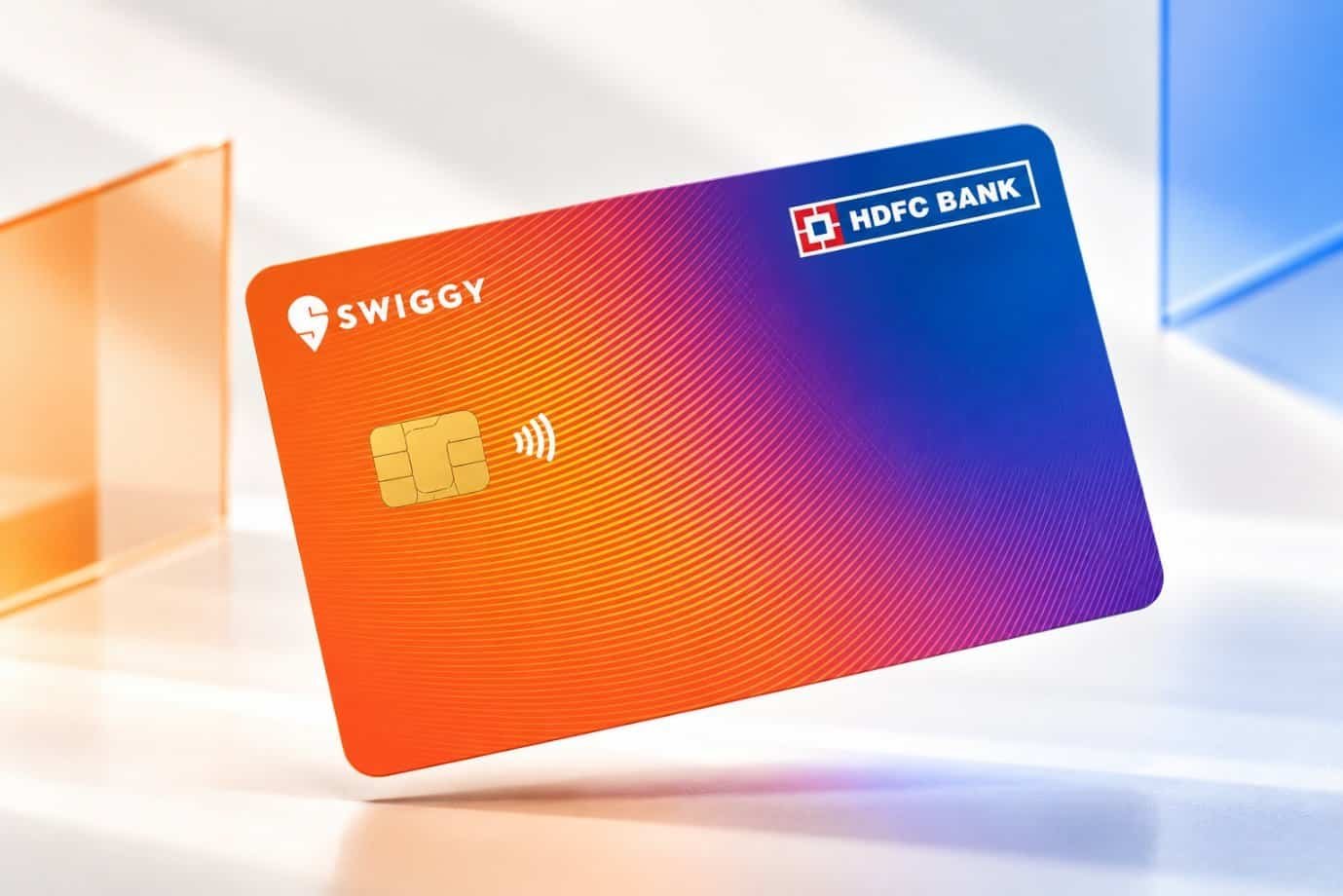
The Swiggy HDFC Bank Credit Card is built around Swiggy spending but also offers cashback across several other categories.
You get 10% cashback on Swiggy Food Delivery, Instamart, Dineout and Genie, with a maximum cashback of 1,500 per billing cycle.
The card also provides 5% cashback at selected merchants and categories, including merchants such as Amazon, Flipkart, Myntra, Nykaa, Croma, Reliance Digital, BookMyShow and Uber. The maximum cashback from this category is another 1,500 per billing cycle.
Other spending earns 1% cashback, with a maximum of 500 per billing cycle.
This means the regular cashback limits across the three buckets add up to a maximum of 3,500 per billing cycle.
There are exclusions as well. Swiggy Money Wallet, Swiggy Liquor and Swiggy Minis do not qualify for the Swiggy cashback benefit. Other excluded categories include fuel, rent, government payments, EMI transactions, wallet loading and jewellery.
The annual fee is 500 plus taxes, and the renewal fee is waived when you spend 2 lakh in a year.
The card is therefore not limited to people who spend heavily on Swiggy. Its 5% cashback across other listed merchants can also make it useful for broader spending.
6. HDFC Millennia Credit Card
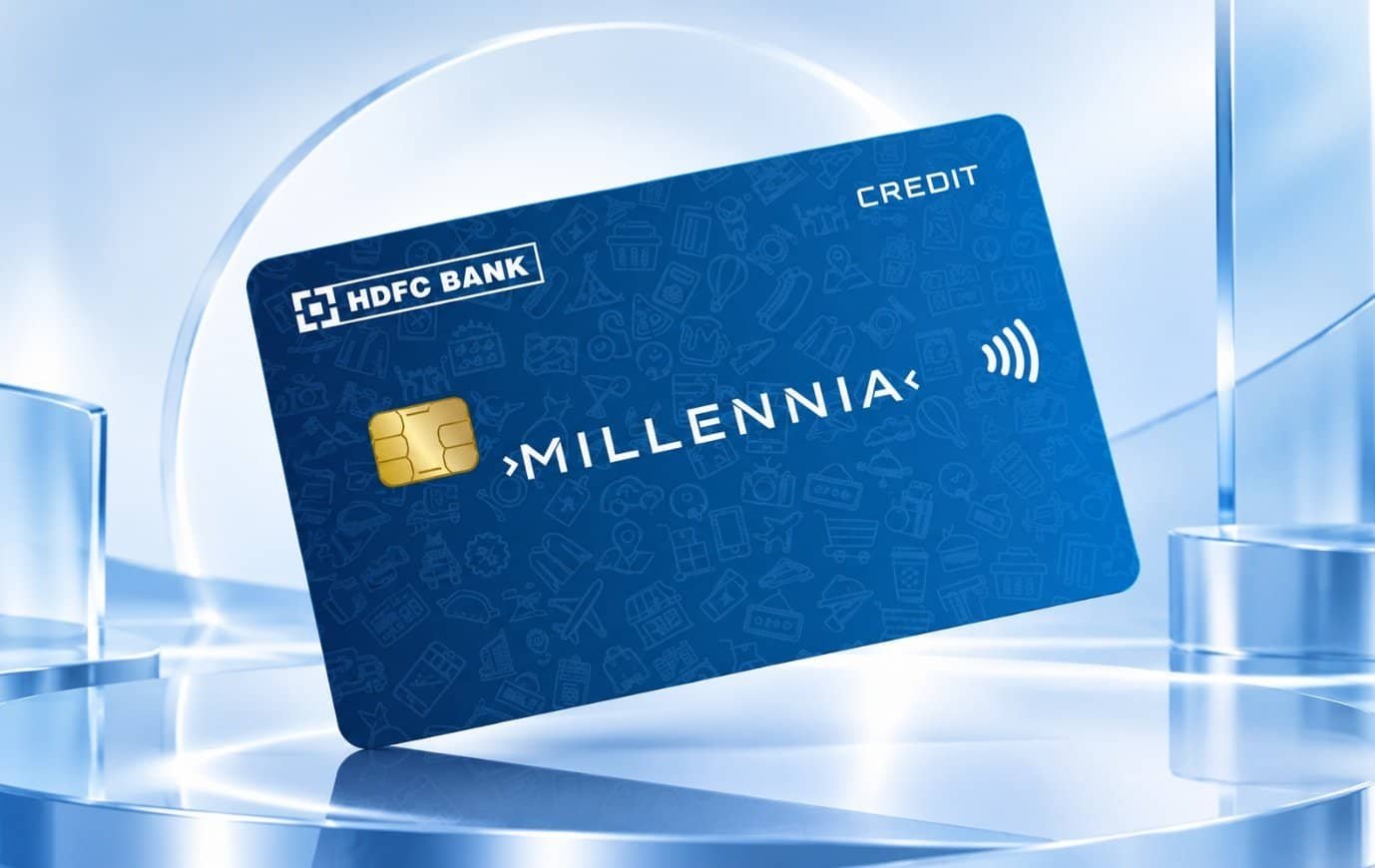
HDFC Millennia is another popular cashback-oriented card, particularly for spending at major online merchants.
It offers 5% cashback on merchants such as Amazon, Flipkart, Myntra, Swiggy, Zomato, Uber, Tata CLiQ and BookMyShow.
The maximum cashback from the 5% category is 1,000 per billing cycle.
Other eligible spending earns 1% cashback, with another 1,000 per billing-cycle limit for that category.
Millennia also has a separate quarterly milestone benefit. Spending 1 lakh in a calendar quarter can qualify you for a 1,000-value voucher, with a domestic lounge-access option available under the applicable benefit structure.
The annual fee is 1,000 plus taxes, and the renewal fee is waived after 1 lakh annual spending.
So while the 5% cashback has a 1,000-per-cycle limit, Millennia’s overall value is not limited to cashback alone. The quarterly milestone benefit is also an important part of the card.
Which Cashback Credit Card Should You Choose?
There is no single cashback credit card that will generate the highest cashback for every user.
Your spending pattern matters more than the headline cashback percentage.
If most of your spending is online across different websites, SBI Cashback offers a broad 5% online cashback structure.
If grocery, dining and food delivery make up a large part of your spending, HSBC Live+ focuses heavily on those categories while still offering 1.5% cashback on other spending.
If Amazon is one of your biggest spending platforms, especially if you have Prime, Amazon Pay ICICI offers a simple combination of Amazon cashback and zero annual fee.
If you make a large number of UPI merchant payments, Kiwi RuPay is designed specifically around that use case.
If you spend heavily on Swiggy and also use merchants such as Amazon, Flipkart and Myntra, Swiggy HDFC combines 10% Swiggy cashback with a separate 5% cashback category.
And if your spending is concentrated around merchants such as Amazon, Flipkart, Myntra, Swiggy and Zomato, HDFC Millennia combines 5% cashback with an additional quarterly spending benefit.
Don’t Choose a Card Based Only on the Cashback Percentage
The biggest mistake when comparing cashback credit cards is looking only at the percentage.
Before applying, check four things:
1. Where do you spend your money?
Look at your actual spending over the last two or three months.
2. What is the cashback cap?
A 10% cashback rate is less useful if the maximum cashback available from that category is quickly reached.
3. What transactions are excluded?
Not every transaction at a particular merchant necessarily earns cashback.
4. What is the annual fee?
Include the annual fee and the fee-waiver condition when calculating the actual value of the card.
Ultimately, the right cashback card is the one that matches your spending pattern. A card with a lower headline cashback rate can sometimes generate more actual cashback for you than a card advertising a higher percentage.
And one final rule is worth keeping in mind: never increase your spending just to earn cashback. Cashback is a benefit on spending you were already going to make, not a reason to spend more. If interest charges start because the credit-card bill is not paid in full, they can easily wipe out the cashback benefit.

I write about credit cards, personal finance, banking products, and money-saving tips for CardZen. My aim is to make financial topics easier to understand and help readers make informed decisions.