
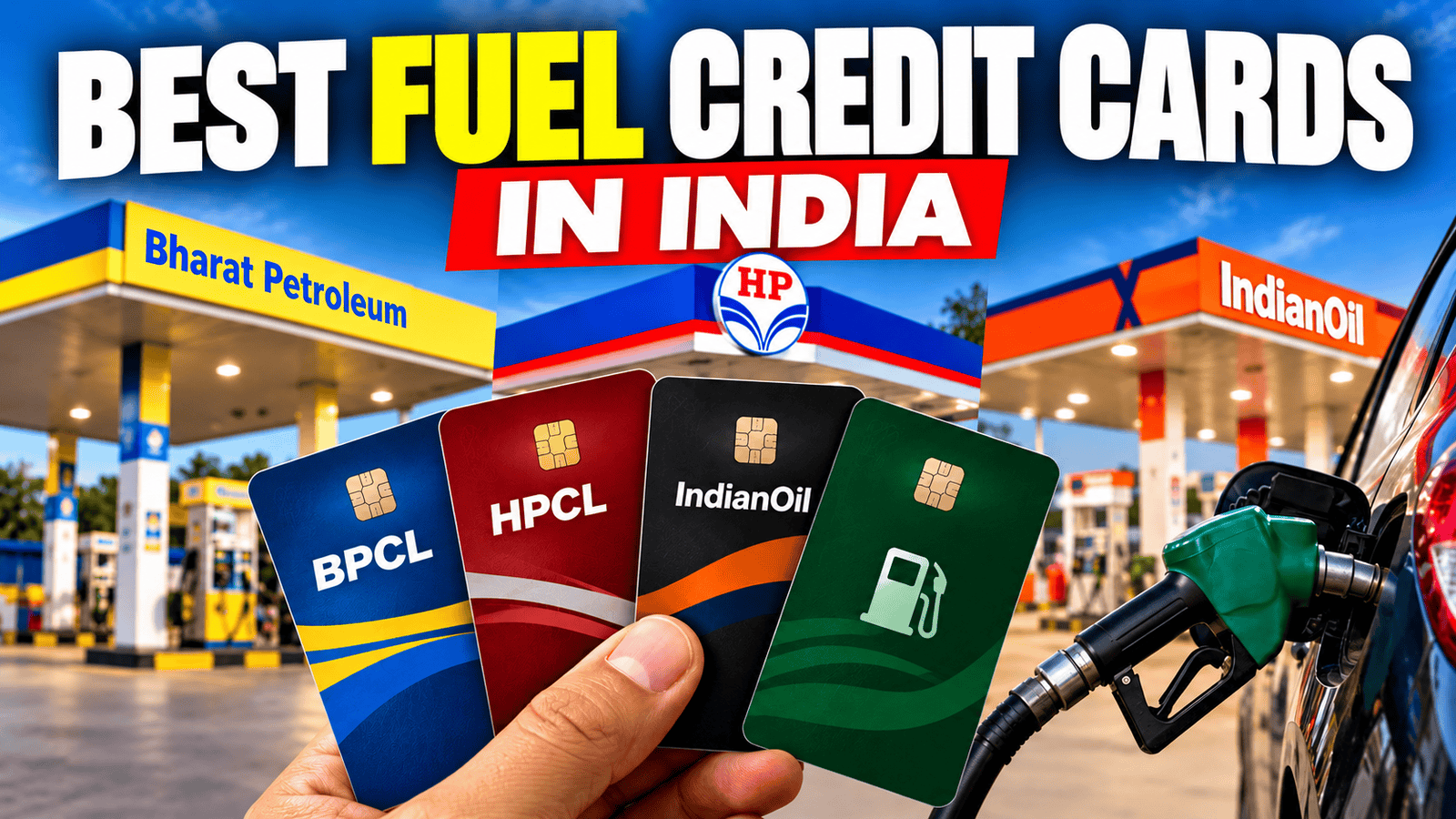
Best Fuel Credit Cards in India 2026: Compare Benefits, Fees and Actual Savings
Quick Comparison
| Credit Card | Best For | Fuel Benefit | Annual Fee |
| BPCL SBI Card OCTANE | BPCL users | Up to 7.25% value back | ₹1,499 + GST |
| IDFC FIRST Power+ | HPCL users | Up to 6.5% savings | ₹499 + taxes |
| ICICI Bank HPCL Super Saver | HPCL users | Up to 5% | ₹500 + GST |
| IndianOil HDFC Bank Credit Card | IndianOil users | 5% Fuel Points | ₹500 |
| IndianOil Axis Bank Credit Card | IndianOil users | 20 EDGE REWARD Points/₹100 | ₹500 + GST |
Quick Summary for Hurry Readers
- BPCL SBI Card OCTANE – Best for regular BPCL users looking for high fuel value back through reward points and surcharge waiver.
- IDFC FIRST Power+ – Best for HPCL users who are comfortable using the HP Pay app and want up to 6.5% combined savings.
- ICICI Bank HPCL Super Saver – Best for HPCL users who prefer a straightforward cashback structure with a ₹200 monthly cashback cap.
- IndianOil HDFC Bank Credit Card – Best for IndianOil users who want Fuel Points that can be redeemed for fuel at IndianOil outlets.
- IndianOil Axis Bank Credit Card – Best for IndianOil users who can make enough monthly spending to benefit from its accelerated EDGE REWARD Points.
Best Fuel Credit Cards in India 2026
Fuel prices are something we cannot control. But if you could get a part of your fuel spending back as cashback, reward points or other benefits, your overall fuel expense could be reduced.
If you spend around ₹5,000 to ₹15,000 every month on fuel, the right fuel credit card can genuinely be useful. The problem is that fuel credit cards can be confusing when you look at them for the first time.
One card may advertise 7.25% value back, another may offer up to 6.5% savings, while another may offer 5% cashback or Fuel Points. Some benefits come as cashback, some as reward points, and some as fuel surcharge waivers.
So what do these percentages actually mean?
And if you spend ₹10,000 on fuel, how much do you really get back?
This guide breaks down five fuel credit cards for BPCL, HPCL and IndianOil users and explains not just the headline reward rate, but also reward caps, annual fees, fuel surcharge waivers and the actual value you can expect.
What Is a Fuel Credit Card?
A fuel credit card is essentially a regular credit card with additional benefits on fuel purchases.
For example, suppose you spend ₹2,000 at a petrol pump using your fuel credit card. Depending on the card, you may receive cashback, reward points or a fuel surcharge waiver on that transaction.
But there is one important thing to understand.
If a card advertises a 7% fuel benefit, that does not necessarily mean you will receive ₹700 as direct cashback on a ₹10,000 fuel purchase.
The advertised percentage may be made up of multiple benefits, such as reward points and a fuel surcharge waiver. These benefits can also have separate limits.
That is why you should not choose a fuel credit card simply by looking at the biggest percentage.
You need to consider your monthly fuel spending, the actual value of the rewards, reward caps, the fuel surcharge waiver and the annual fee.
1. For BPCL Users: BPCL SBI Card OCTANE
If you regularly use BPCL petrol pumps, the BPCL SBI Card OCTANE is one of the cards worth considering.
The card offers 7.25% value back on BPCL fuel purchases. However, this is not 7.25% direct cashback.
The 7.25% value back consists of:
- 6.25% value from reward points
- 1% fuel surcharge waiver
The reward component works at 25 reward points for every ₹100 spent on eligible BPCL fuel purchases. Four reward points are worth ₹1 for redemption.
For example, if you spend ₹5,000 on BPCL fuel, you earn:
₹5,000 ÷ ₹100 × 25 = 1,250 reward points
At four points per ₹1, those 1,250 points have a value of ₹312.50.
However, there is a reward cap.
You can earn a maximum of 2,500 reward points per billing cycle on BPCL fuel purchases. So once you reach that limit, additional eligible fuel spending will not generate more fuel reward points during that cycle.
The card also offers a 1% fuel surcharge waiver on eligible BPCL fuel transactions up to ₹4,000 per transaction, with a maximum waiver of ₹100 per statement cycle.
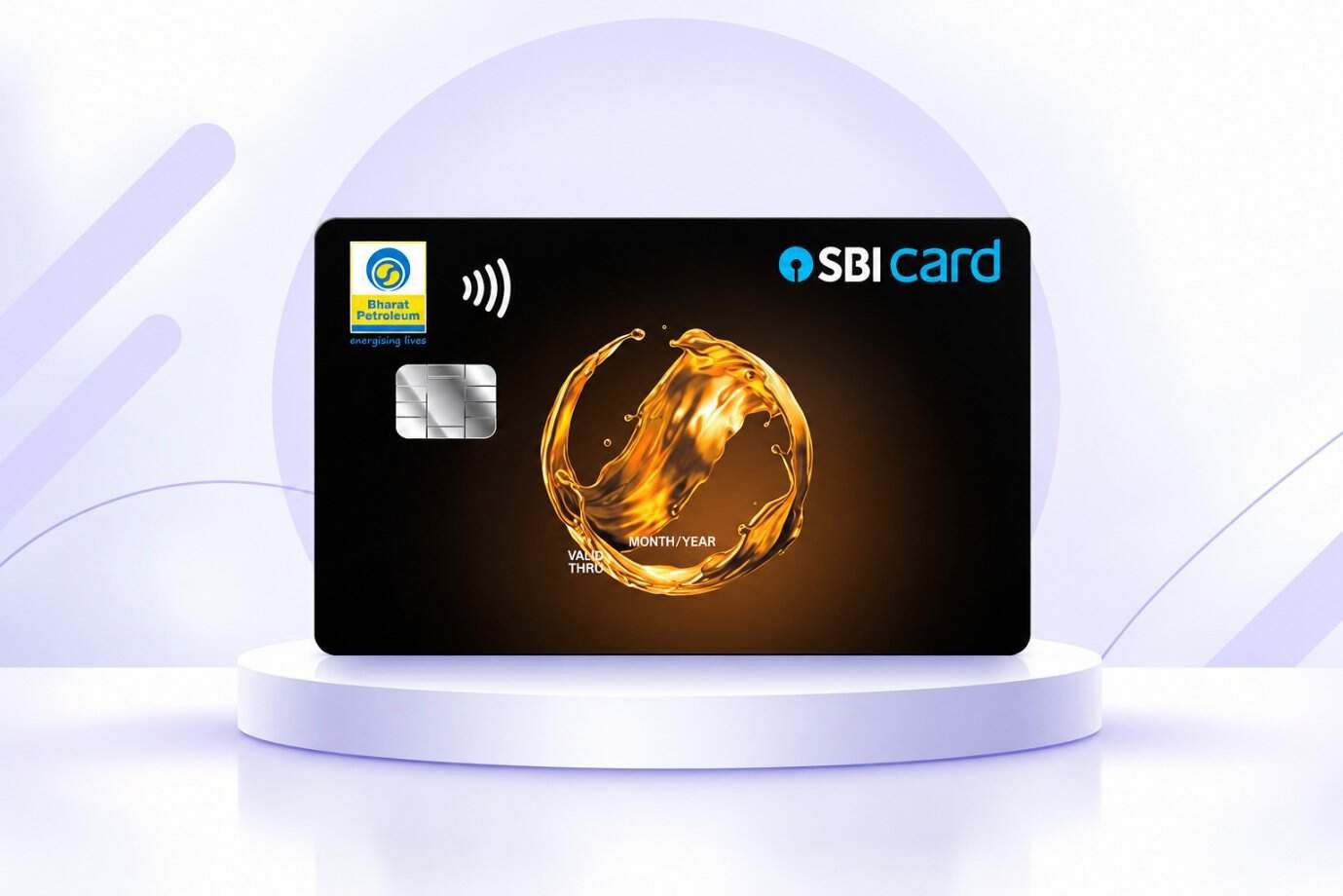
The annual and renewal fee for OCTANE is ₹1,499 plus GST. The renewal fee can be waived if you spend ₹2 lakh in the previous year.
This makes the card more relevant for someone who regularly spends a significant amount at BPCL. If your fuel spending is only ₹2,000 or ₹3,000 per month, you should first calculate whether the yearly benefits justify the annual fee.
The important point is that the 7.25% headline figure should not be treated as 7.25% direct cashback.
2. For HPCL Users: IDFC FIRST Power+
If you regularly use HPCL petrol pumps, IDFC FIRST Power+ is another card worth comparing.
The card offers up to 6.5% savings on HPCL fuel, made up of:
- 4% through reward points
- 1.5% through Happy Coins
- 1% fuel surcharge waiver
The reward-point component works at 24 reward points for every ₹150 spent on eligible HPCL fuel and LPG transactions. Each reward point is worth ₹0.25.
For example, if you spend ₹5,000 on HPCL fuel, the reward points can have a value of approximately ₹200.
There is also an additional 1.5% Happy Coins benefit when you pay for fuel through the HP Pay app using the card. On a ₹5,000 fuel payment, this can provide up to ₹75 worth of Happy Coins.
The fuel surcharge waiver provides another 1% benefit. It applies to eligible fuel transactions between ₹200 and ₹5,000, with a maximum waiver of ₹200 per statement cycle.
The important thing here is that the 6.5% figure is a combination of different benefits. You do not simply receive 6.5% cashback into your credit card account.
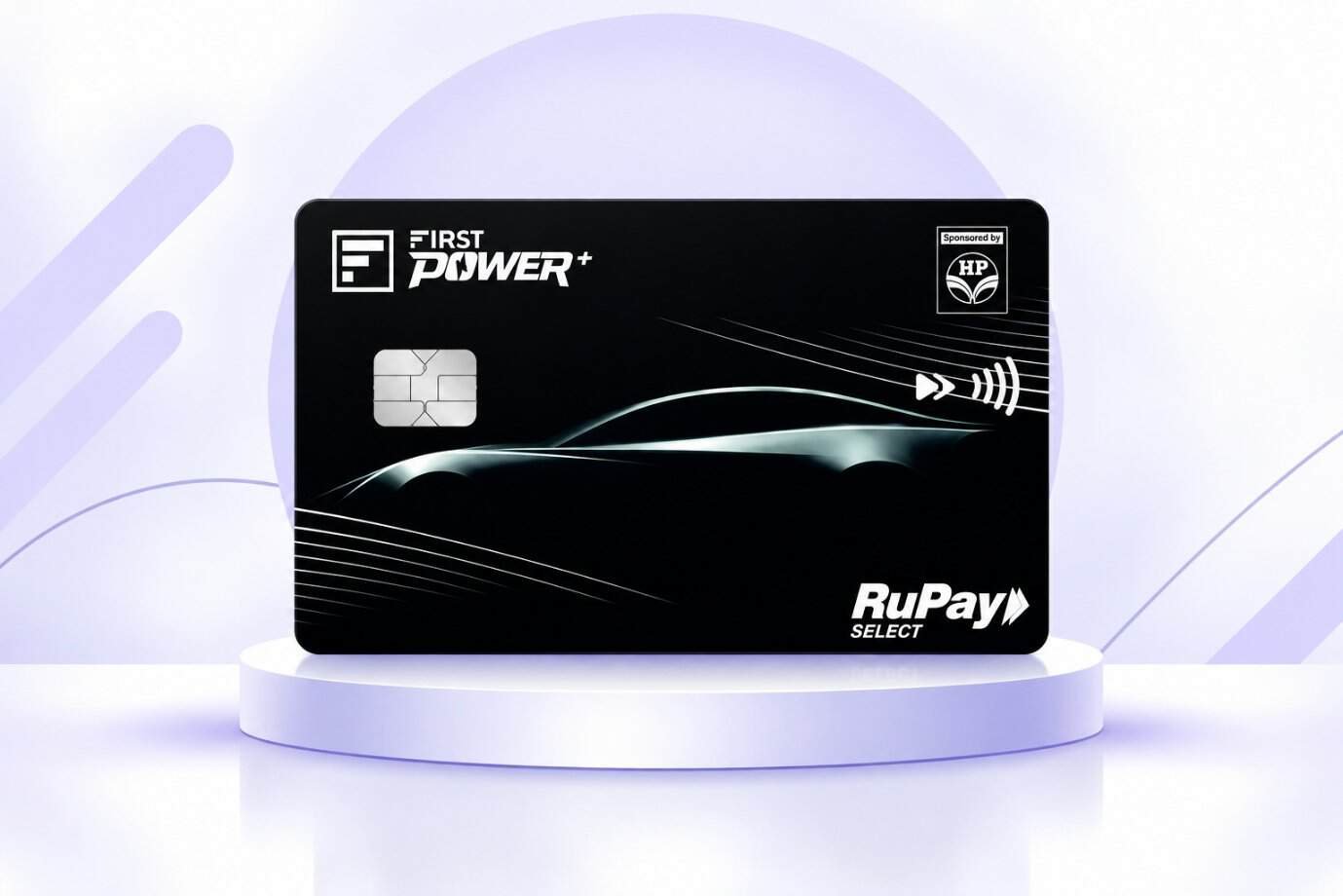
The additional Happy Coins benefit also requires you to make the eligible fuel payment through the HP Pay app. Simply loading money into the HP Pay wallet does not qualify as the fuel benefit.
The joining fee for Power+ is ₹499 plus taxes.
For regular HPCL users who are comfortable using HP Pay, Power+ can be a strong option, but its headline 6.5% figure should be understood as a combination of rewards, Happy Coins and surcharge savings.
3. For HPCL Users: ICICI Bank HPCL Super Saver
Another HPCL-focused option is the ICICI Bank HPCL Super Saver Credit Card.
The card offers 4% cashback on HPCL fuel purchases, with a monthly cashback cap of ₹200. It also provides a 1% fuel surcharge waiver, making the advertised fuel benefit up to 5%.
The ₹200 cashback cap is particularly important.
Suppose you spend ₹5,000 on HPCL fuel in a month.
At 4% cashback:
₹5,000 × 4% = ₹200 cashback
You have already reached the monthly cashback cap.
So if you spend ₹10,000 on fuel, you should not expect ₹400 cashback. The cashback remains capped at ₹200 per month.
The card also offers an additional 1.5% benefit in reward points through the HP Pay app on eligible HPCL fuel purchases.
The annual fee is ₹500 plus GST. According to the current terms, the renewal fee can be waived after ₹1.5 lakh of annual spending.
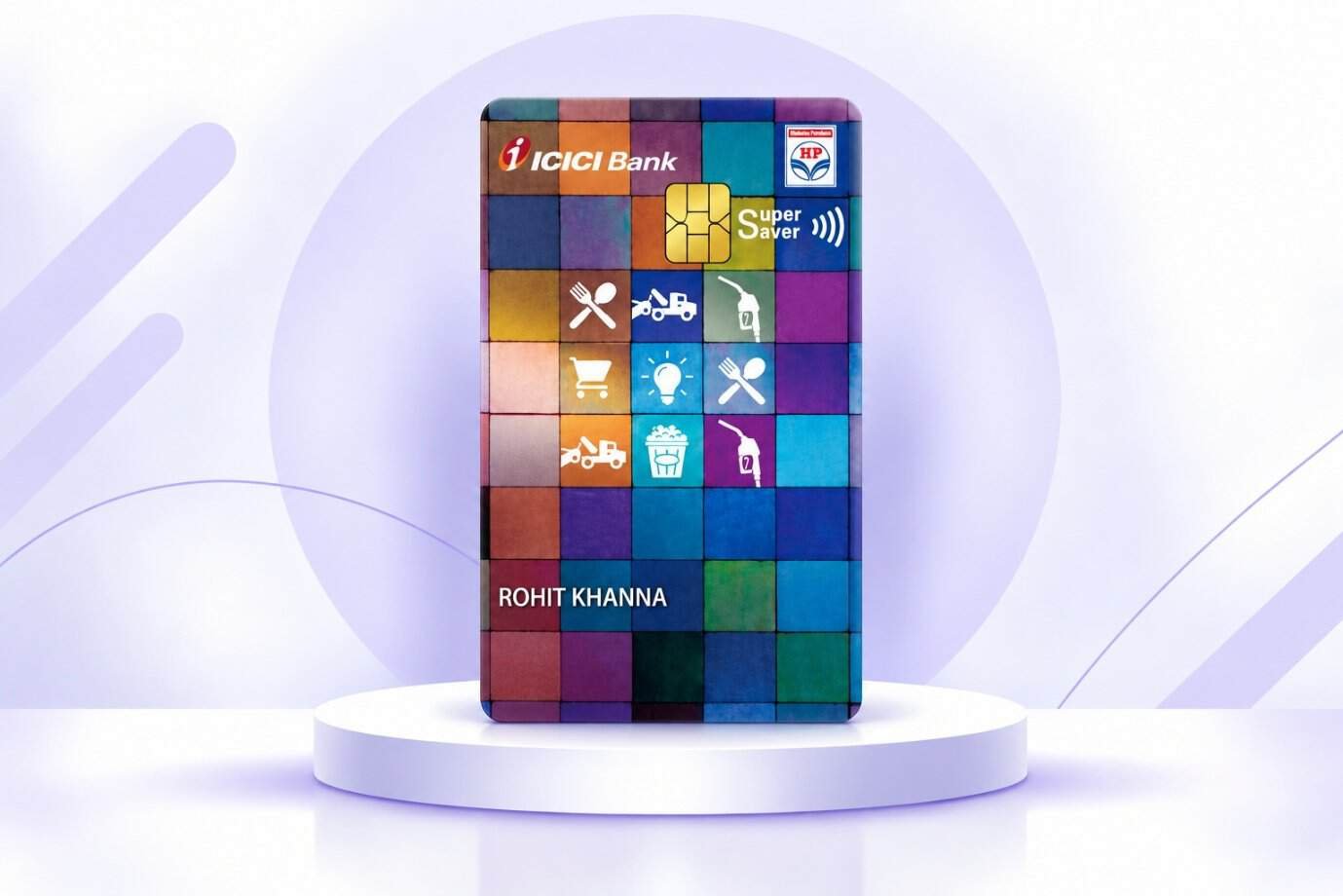
The key advantage of this card is its relatively straightforward structure. You get 4% cashback on eligible HPCL fuel spending, subject to the ₹200 monthly cap, plus the fuel surcharge waiver.
However, if you are comparing it with IDFC FIRST Power+, you should look at more than the headline percentage. Your monthly fuel spending, whether you use HP Pay and the annual fee can change which card provides better value for you.
4. IndianOil Users: IndianOil HDFC Bank Credit Card
For regular IndianOil customers, the IndianOil HDFC Bank Credit Card is another option.
The card offers 5% of eligible IndianOil fuel spending as Fuel Points.
These are not direct cashback. The Fuel Points can be redeemed for fuel at IndianOil outlets. The current redemption value is ₹0.96 per Fuel Point.
For example, if you spend ₹3,000 at IndianOil:
5% of ₹3,000 = 150 Fuel Points
At ₹0.96 per Fuel Point:
150 × ₹0.96 = ₹144 in fuel value
But the card has a monthly Fuel Point cap.
During the first six months, you can earn up to 250 Fuel Points per month on IndianOil fuel purchases.
After six months, the monthly cap becomes 150 Fuel Points.
So after the first six months, a ₹3,000 fuel transaction would generate 150 Fuel Points and reach the monthly cap.
If you spend ₹10,000, you should not expect 500 Fuel Points. The monthly cap means you can earn a maximum of 150 Fuel Points from the eligible fuel benefit after the initial six-month period.
The card also offers a 1% fuel surcharge waiver, capped at ₹250 per statement cycle.
The annual fee is ₹500, and the renewal fee is waived when you complete ₹50,000 of annual spending.
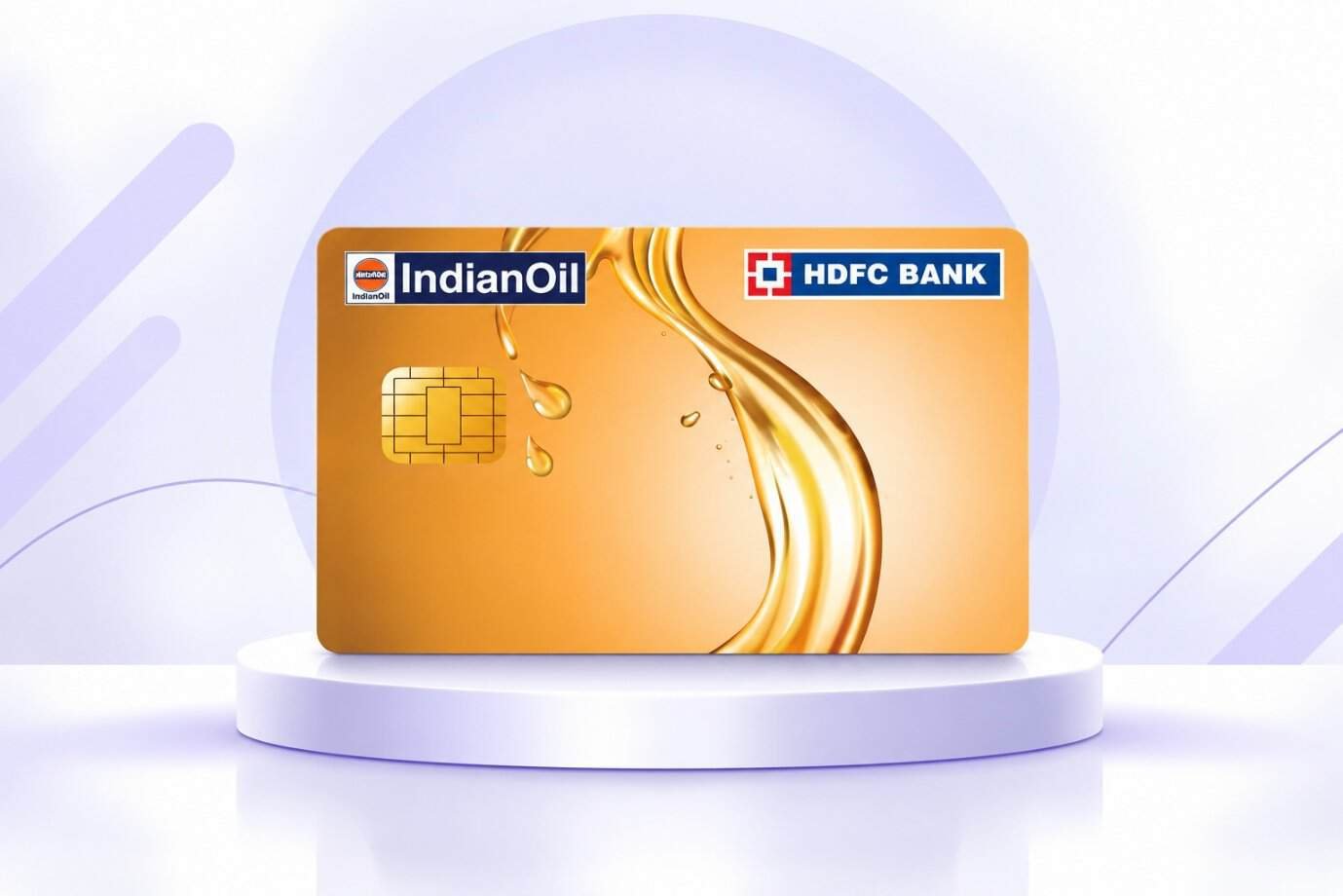
For an IndianOil user who wants to redeem the Fuel Points for fuel at IndianOil outlets, this can be a useful option.
But again, the 5% headline number is not the same as 5% direct cashback. The actual value depends on the Fuel Point redemption value, the monthly cap and the annual fee.
5. IndianOil Users: IndianOil Axis Bank Credit Card
Another IndianOil-focused option is the IndianOil Axis Bank Credit Card.
The card offers 20 EDGE REWARD Points for every ₹100 spent on IndianOil fuel purchases, subject to a maximum of 1,000 EDGE REWARD Points per month.
For example, if you spend ₹5,000 on IndianOil fuel in a month:
₹5,000 ÷ ₹100 × 20 = 1,000 EDGE REWARD Points
That means you have already reached the monthly reward cap.
Any additional eligible fuel spending during that month will not earn additional EDGE REWARD Points under this accelerated fuel benefit.
The card also offers a 1% fuel surcharge waiver on eligible fuel transactions between ₹400 and ₹4,000, with a maximum waiver of ₹50 per statement month.
The annual fee is ₹500 plus GST.
The current annual spend requirement for renewal-fee waiver is ₹3.5 lakh.
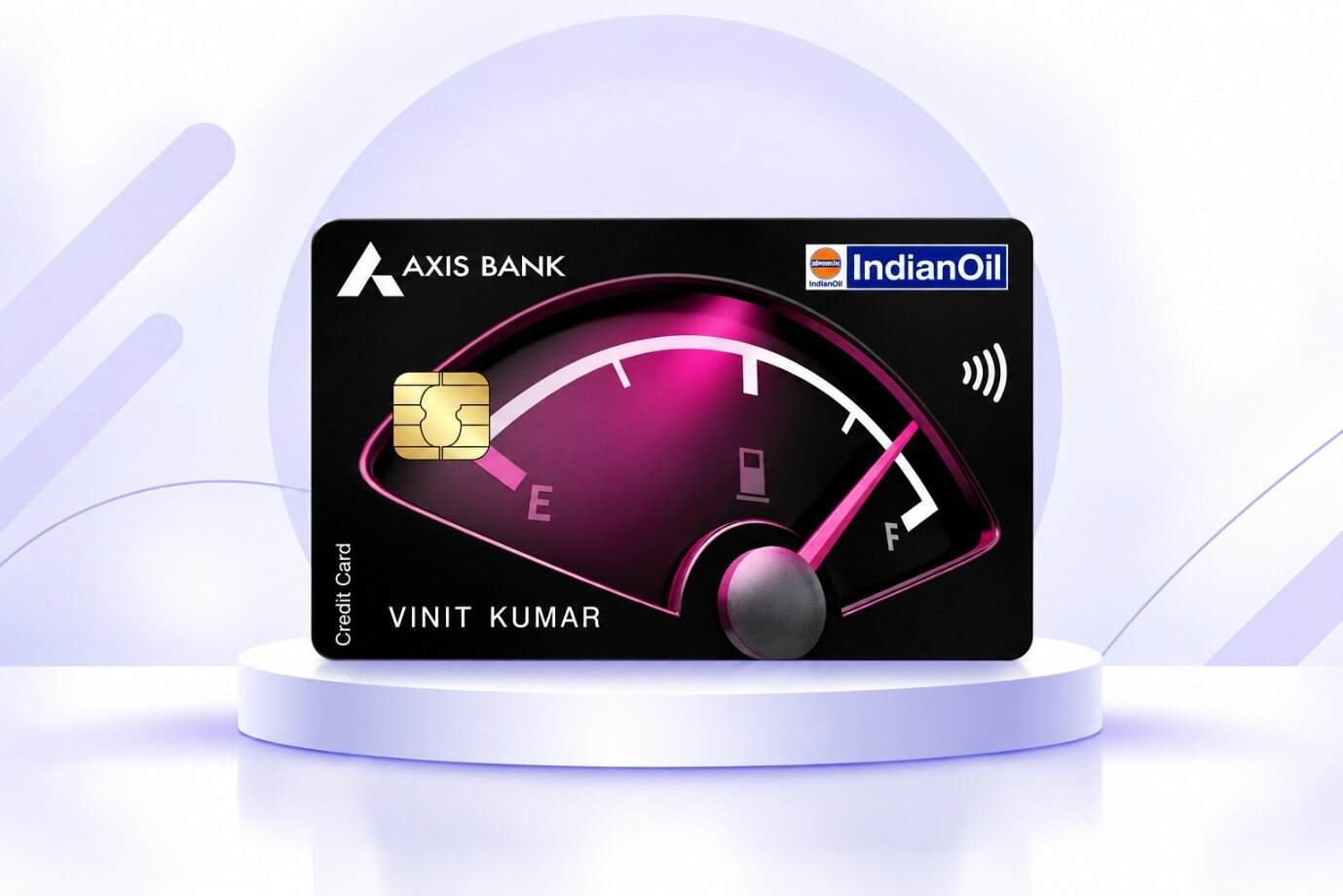
This is an important point to check because older information about a ₹50,000 fee-waiver threshold may still appear in older videos and articles. The current threshold is much higher for the relevant cardholders.
So before choosing this card, look at your actual monthly IndianOil spending, the reward cap and whether you are likely to get enough value to justify the annual fee.
So, Which Fuel Credit Card Is Best for You?
After looking at all five cards, the answer is not simply “the card with the highest percentage.”
The first thing to check is your regular fuel network.
If you primarily use BPCL, look at BPCL-focused options such as OCTANE.
If you primarily use HPCL, compare IDFC FIRST Power+ and ICICI HPCL Super Saver.
If you primarily use IndianOil, compare the IndianOil HDFC and IndianOil Axis cards.
The second thing to check is your monthly fuel spending.
Someone spending ₹2,000 a month on fuel and someone spending ₹15,000 a month will not get the same value from the same card.
The third thing is the reward cap.
A card may advertise a high percentage, but if the benefit is capped at a relatively low amount, your actual savings may stop increasing once you hit that limit.
And finally, look at the annual fee versus your actual yearly benefit.
For example, if a card gives you ₹1,000 of actual fuel benefits over a year but charges an annual fee of ₹1,500 plus GST, the card is not creating positive net value for you just because its advertised reward rate looks attractive.
The simple way to look at it is:
Actual yearly fuel benefits minus annual fee = your net value from the card.
That is the number that matters.
One More Thing: Don’t Treat the Headline Percentage as Cashback
This is probably the most common mistake when comparing fuel credit cards.
If a card says 7% fuel benefit, do not automatically assume that ₹10,000 of fuel spending means ₹700 of direct cashback.
The percentage may include reward points, cashback and fuel surcharge waivers. Each component can have its own conditions and limits.
Fuel surcharge waiver is particularly easy to misunderstand.
A fuel transaction may attract a surcharge, and the card may waive or reverse the eligible surcharge component. But the waiver can have a transaction limit.
For example, the ICICI HPCL Super Saver has a ₹400 to ₹4,000 eligible transaction range for its fuel surcharge waiver. So making one ₹8,000 fuel transaction does not mean the entire ₹8,000 receives the same surcharge waiver treatment.
That is why the headline percentage should always be treated as a starting point, not the final calculation.
Final Verdict
There is no single fuel credit card that is automatically the best for everyone.
The right choice depends on three things:
- Your regular fuel network
- Your monthly fuel spending and the card’s reward cap
- Your actual yearly benefit after the annual fee
If your fuel spending is very low, taking a high-fee fuel credit card just because it advertises a higher reward percentage may not make sense. A lower-fee card can sometimes provide better net value.
The best fuel credit card is not necessarily the one with the biggest percentage on the advertisement.
It is the card that creates the most actual value for your particular spending pattern after considering rewards, caps, surcharge waivers and annual fees.
And that is the number you should compare before applying for a fuel credit card.

I write about credit cards, personal finance, banking products, and money-saving tips for CardZen. My aim is to make financial topics easier to understand and help readers make informed decisions.